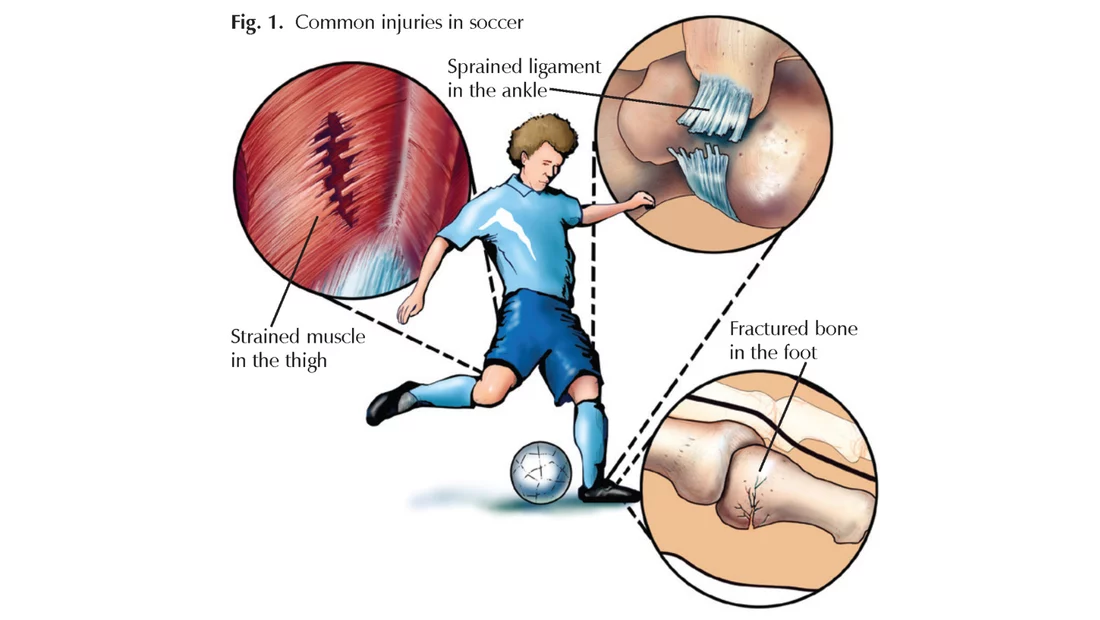
Football player injuries are a common occurrence in the sport, and they can have a significant impact on a player’s career and overall well-being. Injuries can range from minor sprains and strains to more serious conditions such as concussions, broken bones, and torn ligaments. As a result, it is essential for players, coaches, and medical professionals to take a proactive approach to preventing and treating football player injuries.
One of the most critical aspects of preventing football player injuries is ensuring that players are properly trained and conditioned. This includes engaging in regular exercise and strength training to build muscle and improve flexibility. Additionally, players should be taught proper techniques for tackling, falling, and landing to reduce the risk of injury. Coaches and trainers should also emphasize the importance of warm-up routines and stretching exercises to help prevent muscle strains and other injuries.
Furthermore, football player injuries can be caused by a variety of factors, including poor playing conditions, inadequate equipment, and excessive playing time. For example, playing on a field with poor turf or inadequate lighting can increase the risk of injury. Similarly, wearing inadequate or poorly fitting equipment, such as helmets or shin guards, can also increase the risk of injury. Excessive playing time, particularly in young players, can lead to overuse injuries such as shin splints and tendonitis. To learn more about the latest developments in football, you can check out the Premier League news and stay updated on the latest trends and strategies.
Understanding Football Player Injuries
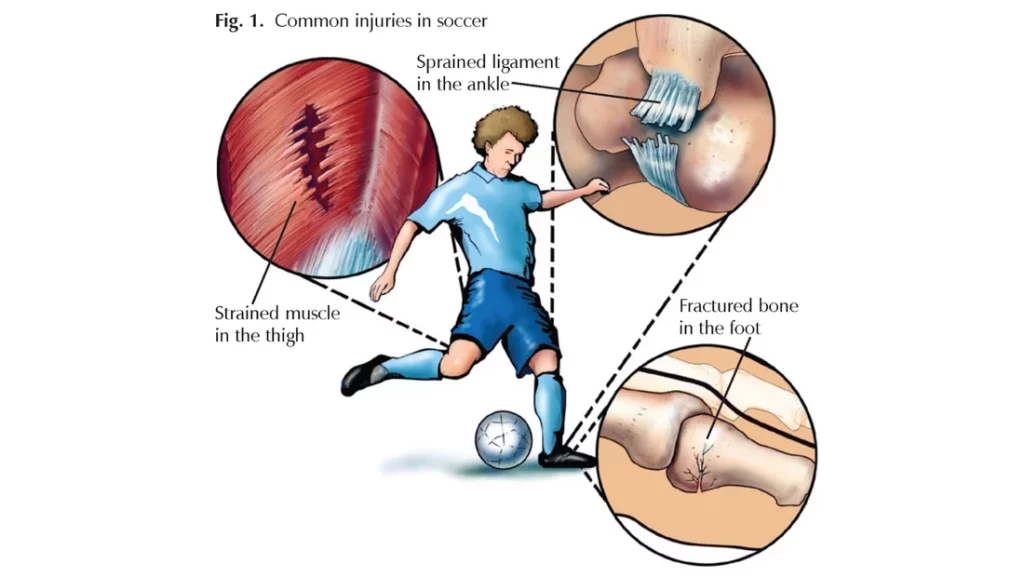
Football player injuries can be categorized into two main types: acute and chronic. Acute injuries are those that occur suddenly, such as a broken bone or a concussion, while chronic injuries are those that develop over time, such as tendonitis or shin splints. Understanding the causes and symptoms of these injuries is crucial for providing effective treatment and prevention. For instance, if you’re interested in learning more about European Football Championships, you can find valuable insights and strategies that can help you better understand the game and its demands.
Common Football Player Injuries
Some of the most common football player injuries include:
- Concussions: These are caused by a blow to the head or body that can cause the brain to move back and forth inside the skull, leading to a range of symptoms including headaches, dizziness, and confusion.
- Knee injuries: These can include torn ligaments, broken bones, and cartilage damage, and can be caused by a variety of factors including poor tackling techniques and overuse.
- Hamstring strains: These are common in football players and can be caused by a variety of factors including poor warm-up routines, inadequate stretching, and overuse.
- Shin splints: These are caused by inflammation of the muscles and tendons in the lower leg and can be caused by a variety of factors including overuse, poor foot biomechanics, and inadequate equipment.
To prevent these types of injuries, it’s essential to focus on football training drills that improve flexibility, strength, and agility. Additionally, learning about football tactics and strategies can help players and coaches develop a more informed approach to the game, reducing the risk of injury and improving overall performance.
Preventing Football Player Injuries
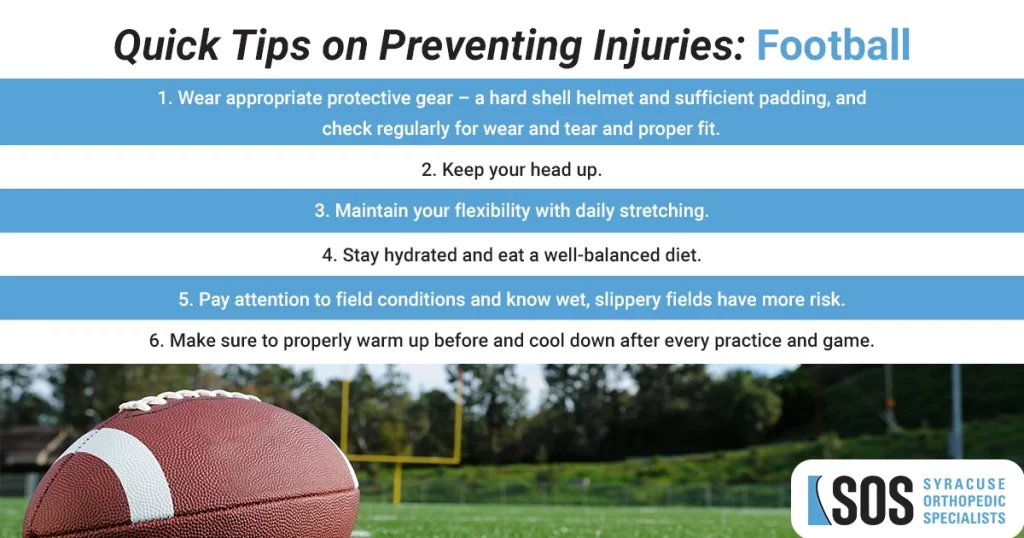
Preventing football player injuries requires a multi-faceted approach that includes proper training and conditioning, adequate equipment, and safe playing conditions. Coaches and trainers should emphasize the importance of warm-up routines and stretching exercises to help prevent muscle strains and other injuries. Players should also be taught proper techniques for tackling, falling, and landing to reduce the risk of injury. Furthermore, players should be encouraged to report any injuries or discomfort to their coaches or medical professionals, and should be provided with access to proper medical care and treatment.
Tips for Preventing Football Player Injuries
Some tips for preventing football player injuries include:
- Engage in regular exercise and strength training to build muscle and improve flexibility.
- Warm up properly before playing or practicing, including stretching exercises and light cardio.
- Wear adequate and properly fitting equipment, including helmets, shin guards, and mouthguards.
- Play on safe and well-maintained fields, including proper turf and lighting.
- Report any injuries or discomfort to coaches or medical professionals and seek proper medical care and treatment.
For young players, it’s essential to focus on youth football development programs that prioritize safety, skill-building, and fun. By taking a comprehensive approach to player development, we can help reduce the risk of injury and promote a lifelong love of the game.
In conclusion, football player injuries are a common occurrence in the sport, but they can be prevented and treated with proper training, conditioning, and medical care. By understanding the causes and symptoms of common football player injuries, and by taking a proactive approach to prevention and treatment, players, coaches, and medical professionals can help reduce the risk of injury and promote a safer and more enjoyable game. Whether you’re a seasoned pro or just starting out, it’s essential to stay informed about the latest developments in football, including English football clubs and their approaches to player development and injury prevention. By working together, we can create a safer, more supportive, and more successful football community for all.