Tag: English football clubs

  • European Football Championships: The Ultimate Guide

    European Football Championships: The Ultimate Guide

    The European football championships, also known as the UEFA European Championship, is a prestigious international football tournament held every four years. The tournament has a rich history, dating back to 1960, and has been a platform for the best European football teams to compete and showcase their skills. The European football championships have become a highly anticipated event, with millions of fans around the world tuning in to watch the games. In this article, we will delve into the world of European football championships, exploring its history, format, and significance.

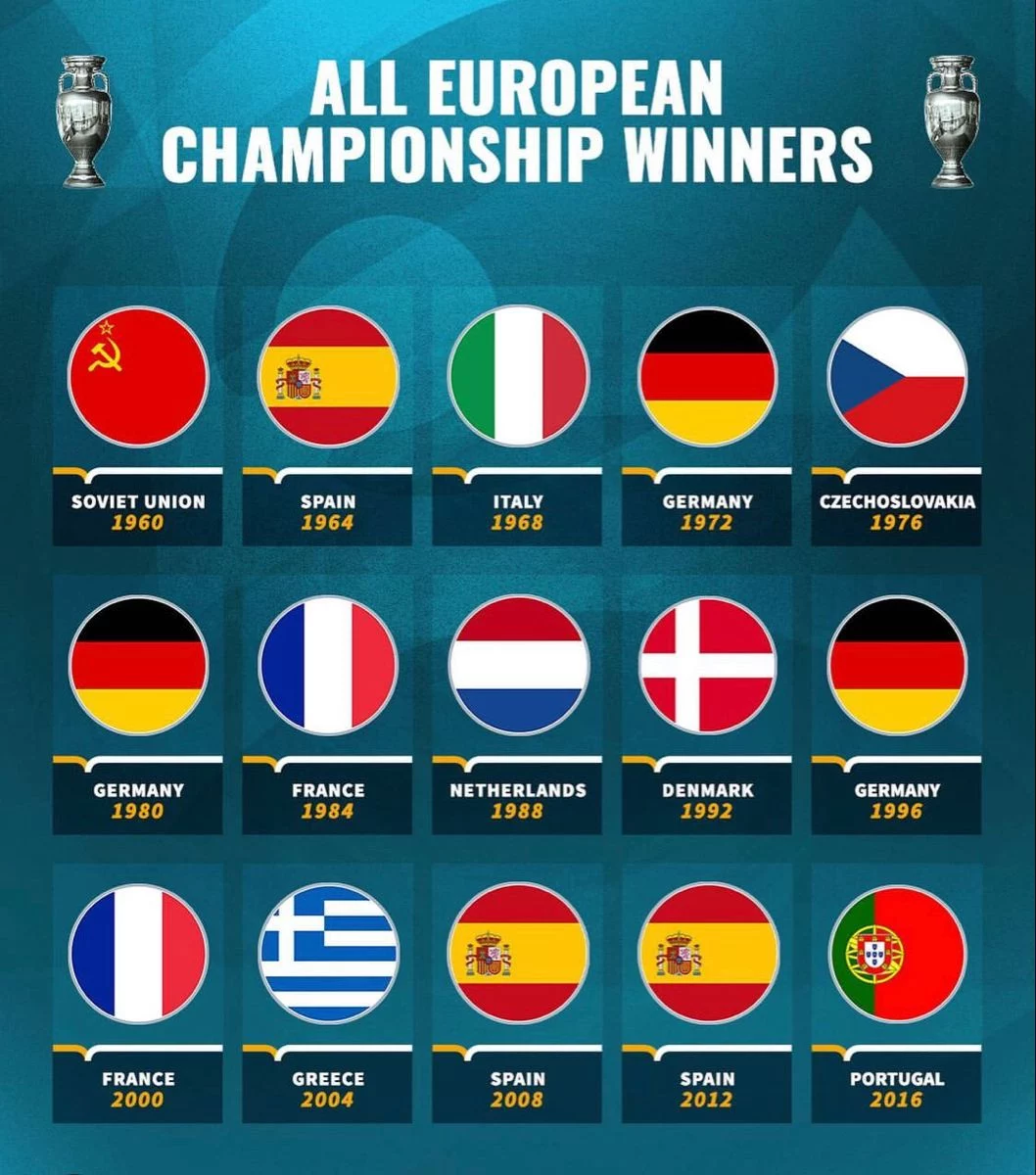
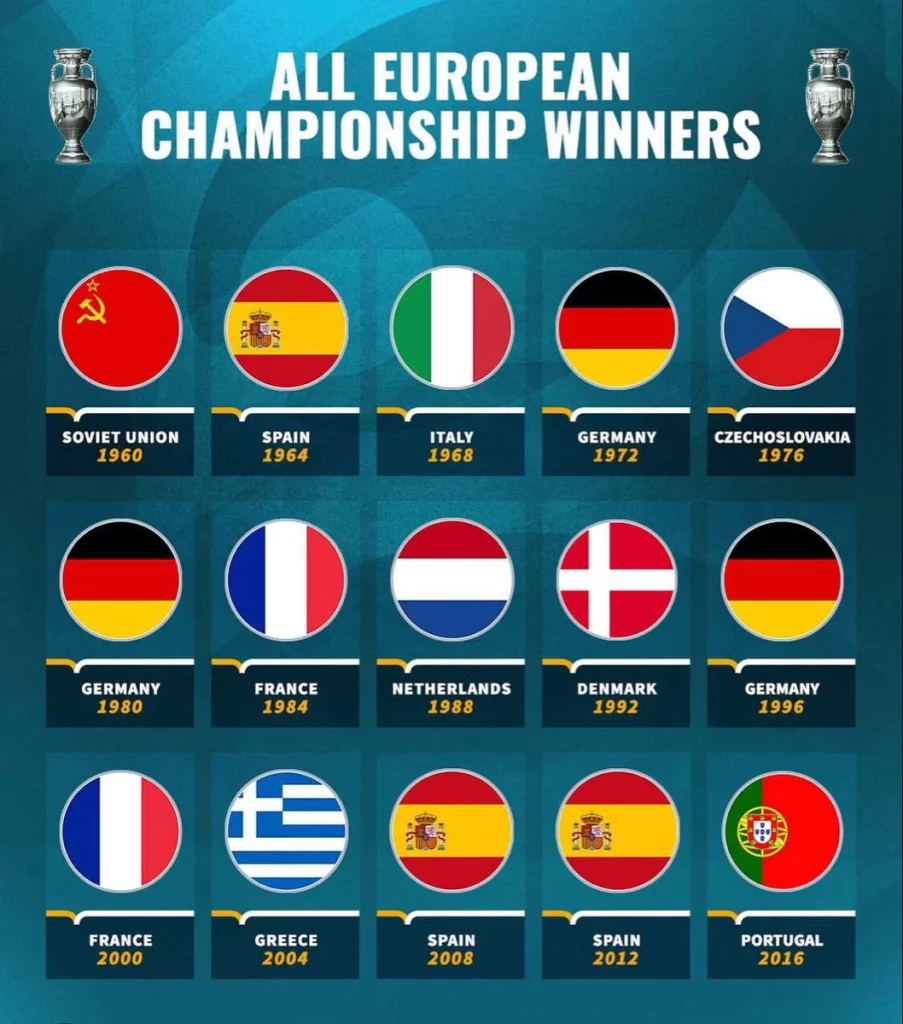
    The European football championships have undergone significant changes over the years. The tournament was initially called the European Nations’ Cup, and the first edition was held in France in 1960. The tournament was a huge success, with the Soviet Union emerging as the winner. Since then, the tournament has grown in popularity, and the format has been modified to include more teams and a more complex qualifying process. Today, the European football championships feature 24 teams, competing in a group stage followed by a knockout phase.

    The European football championships have also become a platform for teams to showcase their unique playing styles and strategies. Teams like Spain, Germany, and Italy have been known for their possession-based football, while teams like England and France have been known for their quick counter-attacks. The tournament has also seen the rise of smaller teams, like Greece and Denmark, who have caused major upsets by winning the tournament against all odds. To learn more about the tactics and strategies employed by teams in the European football championships, you can visit our article on Football Tactics and Strategies: The Key to Success on the Pitch.

    European Football Championships: A History of Greatness
    UEFA EURO WINNERS
    UEFA EURO WINNERS

    The European football championships have a rich history, with many memorable moments and matches. The tournament has been won by some of the greatest teams in European football history, including Spain, Germany, and Italy. The tournament has also seen the emergence of new teams, like Portugal and France, who have become major forces in European football. The European football championships have also been a platform for individual players to shine, with players like Cristiano Ronaldo, Zlatan Ibrahimovic, and Andres Iniesta leaving their mark on the tournament.

    Key Moments in European Football Championships History

    There have been many key moments in the history of the European football championships. One of the most memorable moments was the 2004 final, where Greece defeated Portugal 1-0 to win the tournament. This was a major upset, as Greece was considered a huge underdog going into the tournament. Another memorable moment was the 2012 final, where Spain defeated Italy 4-0 to win the tournament. This was a dominant performance by Spain, who were considered one of the greatest teams in European football history.

    The European football championships have also been a platform for youth development. Many young players have made their debut in the tournament, and have gone on to become stars in European football. To learn more about youth football development, you can visit our article on Youth Football Development: A Comprehensive Approach. The tournament has also seen the rise of English football clubs, who have become major forces in European football. To learn more about English football clubs, you can visit our article on English Football Clubs.

    The European football championships have become a major event in the football calendar, with millions of fans around the world tuning in to watch the games. The tournament has also become a platform for teams to showcase their skills, and for individual players to shine. The European football championships have a rich history, and have been a platform for many memorable moments and matches. Whether you are a fan of European football or just a casual observer, the European football championships are a must-watch event.

    European Football Championships: The Road to Success
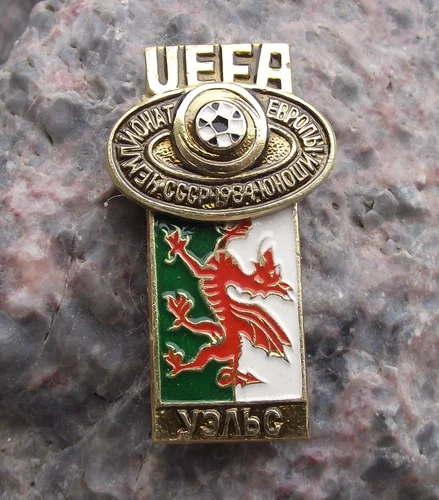
    1984 UEFA European Football Championships Wales Welsh Team Soccer Pin
    1984 UEFA European Football Championships Wales Welsh Team Soccer Pin

    The European football championships are a highly competitive tournament, with many teams vying for the top prize. The tournament features a group stage, where teams are divided into groups of four, and the top two teams from each group advance to the knockout phase. The knockout phase features a series of matches, with the winners advancing to the next round, until the final. The European football championships require a high level of skill, strategy, and physical fitness, and teams must be well-prepared to succeed.

    Tips for Success in the European Football Championships

    There are several tips for success in the European football championships. One of the most important is to have a strong team defense, as this can help to prevent opponents from scoring. Another key tip is to have a good balance between attack and defense, as this can help to create scoring opportunities while also preventing opponents from scoring. Teams must also be well-prepared physically, as the tournament requires a high level of fitness and endurance. To learn more about football training drills, you can visit our article on Football Training Drills.

    The European football championships are a major event in the football calendar, and have become a platform for teams to showcase their skills and for individual players to shine. The tournament has a rich history, and has been a platform for many memorable moments and matches. Whether you are a fan of European football or just a casual observer, the European football championships are a must-watch event. For the latest news and updates on the European football championships, you can visit our article on Premier League news: The Latest Updates and Developments.

    As the European football championships continue to grow in popularity, it is clear that this tournament will remain a major event in the football calendar for years to come. With its rich history, competitive format, and platform for showcasing skills, the European football championships are a must-watch event for any football fan. So, whether you are a seasoned fan or just a casual observer, be sure to tune in to the next European football championships to experience the excitement and drama of this premier international football tournament.

  • Youth Football Development: A Comprehensive Approach

    Youth football development is a crucial aspect of the sport, as it lays the foundation for future generations of players. The process of developing young football players requires a comprehensive approach, encompassing technical, tactical, physical, and psychological aspects. By focusing on youth football development, clubs and organizations can create a strong foundation for their teams, ensuring a steady supply of talented players in the years to come. For instance, many English football clubs have invested heavily in their youth academies, providing young players with top-notch training facilities and coaching. You can learn more about these clubs by visiting our article on English Football Clubs.

    The development of young football players is a complex process, requiring careful planning, execution, and monitoring. It involves creating an environment that fosters growth, learning, and improvement, while also ensuring the well-being and safety of the players. Coaches and trainers play a vital role in this process, as they are responsible for designing and implementing training programs that cater to the needs of young players. These programs should include a mix of technical drills, tactical exercises, and physical conditioning activities, all of which are essential for youth football development. Additionally, football training drills can be an effective way to improve the skills of young players, and can be tailored to meet the specific needs of each individual.

    As young players progress through the ranks, they will encounter various challenges and obstacles that can impact their development. Injuries, setbacks, and disappointments are all part of the learning process, and it is essential for coaches and trainers to provide guidance and support during these times. By doing so, they can help young players develop the resilience and mental toughness needed to overcome adversity and achieve their goals. Moreover, staying up-to-date with the latest Premier League news can provide valuable insights into the latest trends and developments in youth football development.

    Youth Football Development: A Comprehensive Approach

    Youth football development is a multifaceted process that requires a comprehensive approach. It involves creating an environment that fosters growth, learning, and improvement, while also ensuring the well-being and safety of the players. This approach should encompass technical, tactical, physical, and psychological aspects, all of which are essential for the development of young football players. By adopting a comprehensive approach to youth football development, clubs and organizations can create a strong foundation for their teams, ensuring a steady supply of talented players in the years to come.

    Technical Development

    Technical development is a critical aspect of youth football development. It involves teaching young players the fundamental skills of the game, such as dribbling, passing, shooting, and ball control. Coaches and trainers should design training programs that focus on developing these skills, using a variety of drills and exercises to help players improve their technique. For example, football training drills can be an effective way to improve the technical skills of young players.

    Tactical Development

    Tactical development is another essential aspect of youth football development. It involves teaching young players the tactical aspects of the game, such as formations, strategies, and teamwork. Coaches and trainers should design training programs that focus on developing these skills, using a variety of exercises and games to help players improve their understanding of the game. By developing the tactical skills of young players, coaches and trainers can help them make better decisions on the pitch, leading to improved performance and results.

    Physical Development

    Physical development is also a critical aspect of youth football development. It involves teaching young players the physical skills needed to play the game, such as speed, agility, strength, and endurance. Coaches and trainers should design training programs that focus on developing these skills, using a variety of exercises and activities to help players improve their physical fitness. By developing the physical skills of young players, coaches and trainers can help them perform at their best, reducing the risk of injury and improving their overall well-being.

    As the world of football continues to evolve, it is essential for clubs and organizations to prioritize youth football development. By investing in the development of young players, clubs can create a strong foundation for their teams, ensuring a steady supply of talented players in the years to come. Whether you’re a coach, trainer, or simply a fan of the beautiful game, it’s essential to recognize the importance of youth football development in shaping the future of the sport. And, who knows, maybe one day you’ll be watching a young player you’ve been following since their early days in the youth academy, now playing for a top-tier team, and thinking back to the days when you first hello world of football.

    In conclusion, youth football development is a vital aspect of the sport, requiring a comprehensive approach that encompasses technical, tactical, physical, and psychological aspects. By prioritizing youth football development, clubs and organizations can create a strong foundation for their teams, ensuring a steady supply of talented players in the years to come. With the right approach, young players can develop the skills, knowledge, and experience needed to succeed at the highest level, and the sport as a whole can continue to thrive and grow.

  • English Football Clubs

    English Football Clubs

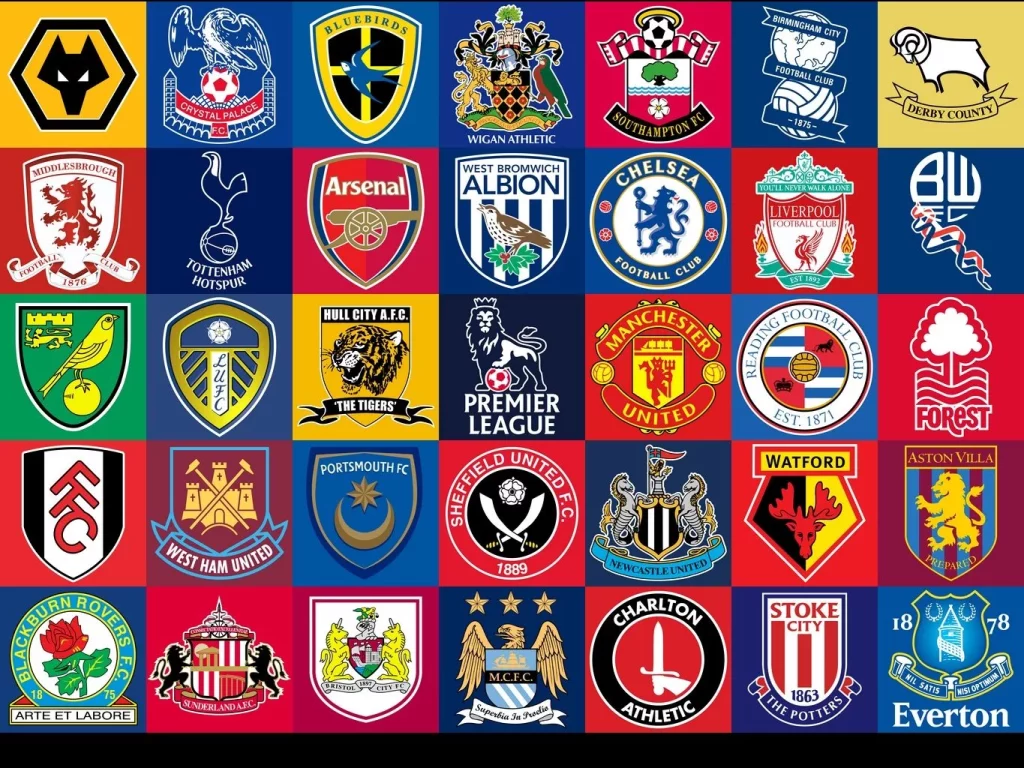
    English football clubs have a rich history and a massive following, both domestically and internationally. The popularity of English football is undeniable, with the Premier League being one of the most watched and competitive leagues in the world. The country is home to some of the most iconic and successful football clubs, with a legacy that spans over a century. From the likes of Manchester United and Liverpool to Arsenal and Chelsea, English football clubs have consistently produced talented teams and players that have made their mark on the sport.

    The English football league system is a complex and hierarchical structure, with multiple divisions and tiers that provide a platform for clubs to compete and progress. The top tier, the Premier League, is the most prestigious and highly competitive, with 20 teams battling it out for the title and European qualification. The lower divisions, such as the Championship, League One, and League Two, provide a pathway for smaller clubs to rise through the ranks and potentially reach the top flight. This system has allowed English football clubs to develop a strong and sustainable infrastructure, with a focus on youth development, scouting, and coaching.

    One of the key factors that contribute to the success of English football clubs is their strong fan base and community support. The passion and dedication of English football fans are renowned, with many clubs having a loyal and dedicated following that spans generations. The atmosphere at English football stadiums is electric, with fans creating a lively and intimidating environment that can give their team an edge over their opponents. This sense of community and belonging is a vital part of the English football culture, with many fans feeling a deep connection to their local club and the sport as a whole. For those looking to improve their skills, checking out football training drills can be a great way to enhance their performance and contribute to their team’s success.

    History of English Football Clubs

    History of English Football Clubs, Vol. 1 | Behance :: Behance
    History of English Football Clubs, Vol. 1 | Behance :: Behance

    The history of English football clubs is a long and storied one, with many clubs having been founded in the late 19th and early 20th centuries. The Football League, which is now known as the English Football League (EFL), was established in 1888 and initially consisted of 12 teams from the Midlands and the North of England. Over the years, the league has expanded and contracted, with new teams being added and others folding or merging with other clubs. Today, there are over 140 English football clubs that compete in the various divisions and tiers of the English football league system.

    Early Years of English Football

    The early years of English football were marked by a lack of organization and standardization, with many clubs playing friendly matches and tournaments. However, as the sport gained popularity, the need for a more structured and competitive format became apparent. The introduction of the Football League in 1888 provided a framework for clubs to compete against each other, and the sport began to take on a more professional and organized form. The early years of English football were also marked by the emergence of iconic clubs such as Aston Villa, Blackburn Rovers, and Sheffield United, which would go on to become household names in the world of football.

    The success of English football clubs can also be attributed to their ability to attract and develop talented players. Many English clubs have a strong focus on youth development, with academies and training programs that aim to identify and nurture young talent. This approach has allowed English clubs to produce some of the world’s top players, including the likes of David Beckham, Steven Gerrard, and Wayne Rooney. The English football league system also provides a platform for players to develop and improve, with many players starting their careers in the lower divisions before working their way up to the top flight.

    English Football Clubs in the Modern Era

    English Premier League Soccer
    English Premier League Soccer

    In recent years, English football clubs have continued to thrive and evolve, with many teams experiencing significant success both domestically and in European competitions. The Premier League has become one of the most watched and competitive leagues in the world, with many of the world’s top players and managers plying their trade in England. The league has also become a major driver of revenue and investment, with many clubs benefiting from lucrative television deals and sponsorship agreements. For the latest Premier League news, fans can stay up to date with the latest developments and updates from the world of English football.

    The modern era of English football has also seen significant advances in technology, sports science, and analytics. Many English clubs have invested heavily in these areas, using data and statistical analysis to gain a competitive edge over their opponents. The use of video assistant referees (VARs) has also become more widespread, with many clubs and fans embracing the technology as a way to improve the accuracy and fairness of refereeing decisions. As the sport continues to evolve, it will be interesting to see how English football clubs adapt and respond to new challenges and opportunities.

    The Role of English Football Clubs in the Community

    English football clubs play a vital role in their local communities, with many teams having a strong sense of social responsibility and a commitment to giving back. Many clubs have established charitable foundations and community programs, which provide support and resources for local schools, hospitals, and other organizations. The clubs also provide a sense of identity and belonging for their fans, with many supporters feeling a deep connection to their local team and the sport as a whole. As a welcome to the world of football, you can start by saying hello world and embark on a journey to explore the beautiful game.

    In conclusion, English football clubs are a beloved and integral part of the country’s sporting culture, with a rich history, a strong sense of community, and a commitment to developing talented players. As the sport continues to evolve and grow, it will be exciting to see how English football clubs adapt and respond to new challenges and opportunities. With their passionate fans, iconic stadiums, and talented teams, English football clubs are sure to remain a major force in the world of football for years to come.