Author: psht.admiral

  • Types of International Football Tournaments

    Types of International Football Tournaments

    International football tournaments have been a staple of the sport for decades, bringing together teams from around the world to compete for glory and prestige. These tournaments have a way of captivating audiences, transcending borders and languages, and creating a sense of community among fans. From the World Cup to the European Championships, international football tournaments have become an integral part of the sport, providing a platform for teams to test their skills and for players to showcase their talents.

    The history of international football tournaments dates back to the early 20th century, when the first international matches were played between European countries. The first official international tournament, the British Home Championship, was held in 1884, featuring teams from England, Scotland, Wales, and Ireland. As the sport gained popularity, more countries began to participate in international competitions, leading to the creation of the FIFA World Cup in 1930. The World Cup has since become the most widely viewed and followed sporting event in the world, with millions of fans tuning in to watch the best teams and players compete for the coveted trophy.

    One of the most exciting aspects of international football tournaments is the opportunity to see teams from different parts of the world compete against each other. The diversity of styles, tactics, and cultures on display makes for fascinating viewing, as teams adapt to different playing conditions, climates, and opponents. For example, the Brazilian team’s flair and creativity are often pitted against the more disciplined and tactical approach of European teams, creating intriguing match-ups and unpredictable outcomes. If you’re interested in learning more about the history of football, you can check out our article on the History of Women’s Football Leagues, which provides a comprehensive overview of the sport’s development over the years.

    Types of International Football Tournaments

    10 Biggest Competitions in World Football [Ranked]
    10 Biggest Competitions in World Football [Ranked]

    There are several types of international football tournaments, each with its own unique format and characteristics. The most prestigious and widely followed tournament is the FIFA World Cup, held every four years and featuring 32 teams from around the world. The European Championships, also known as Euro, is another highly anticipated tournament, held every four years and featuring the top teams from Europe. Other notable international tournaments include the Copa America, the African Cup of Nations, and the Asian Cup.

    World Cup Qualification

    The road to the World Cup is a long and arduous one, with teams competing in qualifying matches to earn a spot in the tournament. The qualification process typically takes place over several years, with teams playing a series of matches against other teams in their region. The top teams from each region then advance to the World Cup, where they compete against teams from other parts of the world. The qualification process can be grueling, with teams facing tough opposition and challenging playing conditions. For example, teams from South America must navigate the treacherous terrain of the Andes and the scorching heat of the Amazon rainforest to earn a spot in the World Cup.

    In addition to the World Cup, there are several other international football tournaments that take place throughout the year. The European Championships, for example, feature the top teams from Europe competing for the title of best team on the continent. The Copa America, on the other hand, brings together the top teams from South America, while the African Cup of Nations features the top teams from Africa. These tournaments provide a platform for teams to test their skills against other top teams, and for players to showcase their talents on the international stage. If you’re interested in learning more about the strategies and tactics employed by teams in these tournaments, you can check out our article on Football Tactics and Strategies, which provides an in-depth analysis of the key factors that contribute to a team’s success.

    The impact of international football tournaments on the sport cannot be overstated. These tournaments have a way of bringing people together, creating a sense of community and shared purpose among fans. The World Cup, in particular, has become a cultural phenomenon, with millions of people around the world tuning in to watch the matches and cheer on their favorite teams. The tournament has also had a significant economic impact, with host countries investing millions of dollars in infrastructure and tourism to accommodate the influx of visitors. For example, the 2018 World Cup in Russia generated an estimated $14 billion in revenue, with the host country investing heavily in stadiums, transportation, and other infrastructure to support the tournament.

    Benefits of International Football Tournaments

    di Ali Haider su Advantages and Disadvantages of Football Formation
    di Ali Haider su Advantages and Disadvantages of Football Formation

    International football tournaments have a number of benefits, both for the teams and players involved and for the sport as a whole. One of the most significant benefits is the opportunity for teams to test their skills against other top teams, and for players to gain experience and exposure on the international stage. These tournaments also provide a platform for teams to promote their country and culture, and to build relationships with other teams and fans from around the world. Additionally, international football tournaments can have a significant economic impact, generating revenue and creating jobs for local communities. If you’re interested in learning more about the economic impact of football, you can check out our article on Premier League news, which provides an overview of the latest developments and trends in the sport.

    In terms of player development, international football tournaments provide a unique opportunity for players to gain experience and exposure on the international stage. The World Cup, in particular, is a showcase for the best players in the world, with many players using the tournament as a platform to launch their careers. The tournament has also been a launching pad for many young players, who have gone on to become stars of the sport. For example, the 2018 World Cup saw the emergence of several young players, including Kylian Mbappe and Luka Modric, who have since become household names in the sport. If you’re interested in learning more about youth football development, you can check out our article on Youth Football Development, which provides a comprehensive overview of the key factors that contribute to a player’s success.

    Tips for Watching International Football Tournaments

    For fans looking to get the most out of international football tournaments, there are several tips to keep in mind. First and foremost, it’s essential to have a good understanding of the teams and players involved, as well as the format and rules of the tournament. Fans should also be prepared to watch matches at different times of day, as the tournament often features teams from different time zones. Additionally, fans should be respectful of other fans and teams, and to follow the rules and regulations of the tournament. Finally, fans should be prepared for the unexpected, as international football tournaments are often marked by surprise upsets and dramatic comebacks. If you’re interested in learning more about football tactics and strategies, you can check out our article on Football training drills, which provides an overview of the key drills and exercises that teams use to prepare for matches.

    In conclusion, international football tournaments are a vital part of the sport, providing a platform for teams to test their skills, for players to gain experience and exposure, and for fans to come together and celebrate their love of the game. Whether you’re a seasoned fan or just discovering the sport, international football tournaments have something to offer everyone. With their rich history, diverse styles, and unpredictable outcomes, these tournaments are sure to continue to captivate audiences for generations to come. As the sport continues to evolve and grow, it will be exciting to see how international football tournaments adapt and change, providing new opportunities for teams, players, and fans to come together and celebrate their love of the beautiful game.


  • Football Stadium Tours

    Football Stadium Tours

    Football stadium tours are an exciting way to experience the thrill of the beautiful game, even when there’s no match being played. For many fans, visiting a football stadium is a dream come true, offering a glimpse into the history, culture, and passion of the sport. Whether you’re a die-hard supporter or just a casual fan, football stadium tours provide a unique opportunity to explore the iconic venues that host the world’s most popular sport. From the lush green pitches to the state-of-the-art facilities, every aspect of a football stadium is designed to create an unforgettable experience for players and spectators alike. If you’re interested in learning more about the history of women’s football, you can check out our article on the History of Women’s Football Leagues.

    As you step into a football stadium, you can feel the energy and excitement that fills the air. The roar of the crowd, the thrill of the game, and the sense of community that comes with being part of a larger group of fans all contribute to an electrifying atmosphere that’s hard to match. Football stadium tours allow you to experience this atmosphere firsthand, even when there’s no match being played. You’ll have the chance to explore the stadium’s facilities, learn about its history, and get a behind-the-scenes look at what makes these venues so special. Whether you’re interested in the technical aspects of the game or simply want to soak up the atmosphere, football stadium tours are an excellent way to deepen your appreciation for the sport.

    For many fans, football is more than just a game – it’s a way of life. The passion, the excitement, and the sense of community that comes with being part of a football club or supporting a particular team are all essential aspects of the sport. Football stadium tours offer a unique way to experience this passion and excitement, even when there’s no match being played. You’ll have the chance to explore the stadium’s facilities, learn about its history, and get a behind-the-scenes look at what makes these venues so special. Whether you’re interested in the technical aspects of the game or simply want to soak up the atmosphere, football stadium tours are an excellent way to deepen your appreciation for the sport. If you’re looking for ways to improve your own football skills, you can check out our article on football training drills for some helpful tips and advice.

    Exploring the World of Football Stadium Tours

    Exploring the Most Iconic Football Stadiums Around the World | Football
    Exploring the Most Iconic Football Stadiums Around the World | Football

    Football stadium tours offer a unique and exciting way to experience the world of football. From the iconic stadiums of Europe to the state-of-the-art venues of the Americas, every continent has its own unique football culture and history. Whether you’re a die-hard supporter or just a casual fan, football stadium tours provide a fascinating glimpse into the world of football. You’ll have the chance to explore the stadium’s facilities, learn about its history, and get a behind-the-scenes look at what makes these venues so special. With football stadium tours, you can experience the thrill of the beautiful game in a whole new way.

    Tips for Getting the Most Out of Your Football Stadium Tour

    To get the most out of your football stadium tour, it’s essential to plan ahead and do your research. Here are a few tips to help you make the most of your experience:

    • Book your tour in advance to avoid disappointment and ensure availability.
    • Arrive early to soak up the atmosphere and explore the surrounding area.
    • Take plenty of photos to capture the memories of your visit.
    • Ask your guide plenty of questions to learn more about the stadium’s history and facilities.
    • Consider combining your football stadium tour with a visit to a local football museum or hall of fame.

    By following these tips, you can ensure that your football stadium tour is an unforgettable experience that you’ll treasure for years to come. If you’re interested in learning more about the latest developments in the Premier League, you can check out our article on Premier League news for the latest updates and insights.

    Discovering the History and Culture of Football Stadiums

    Classic Football Stadiums 'Quality Over Quantity' | Specific Goal For
    Classic Football Stadiums 'Quality Over Quantity' | Specific Goal For

    Football stadiums are more than just venues for matches – they’re also repositories of history and culture. From the iconic stadiums of Europe to the state-of-the-art venues of the Americas, every stadium has its own unique story to tell. With football stadium tours, you can discover the history and culture of these iconic venues and learn more about the sport that brings people together from all over the world. You’ll have the chance to explore the stadium’s facilities, learn about its history, and get a behind-the-scenes look at what makes these venues so special. Whether you’re interested in the technical aspects of the game or simply want to soak up the atmosphere, football stadium tours are an excellent way to deepen your appreciation for the sport.

    Exploring the Facilities and Amenities of Football Stadiums

    Football stadiums are designed to provide an unforgettable experience for players and spectators alike. From the lush green pitches to the state-of-the-art facilities, every aspect of a football stadium is designed to create an electrifying atmosphere that’s hard to match. With football stadium tours, you can explore the facilities and amenities of these iconic venues and learn more about what makes them so special. You’ll have the chance to visit the dressing rooms, the dugouts, and the players’ tunnel, and get a behind-the-scenes look at what makes these venues so unique. If you’re interested in learning more about the tactics and strategies of the game, you can check out our article on football tactics and strategies for some expert insights and analysis.

    As you explore the world of football stadium tours, you’ll discover a whole new side of the sport that’s full of excitement, passion, and history. From the iconic stadiums of Europe to the state-of-the-art venues of the Americas, every continent has its own unique football culture and history. Whether you’re a die-hard supporter or just a casual fan, football stadium tours provide a fascinating glimpse into the world of football. You’ll have the chance to explore the stadium’s facilities, learn about its history, and get a behind-the-scenes look at what makes these venues so special. With football stadium tours, you can experience the thrill of the beautiful game in a whole new way. So why not start planning your football stadium tour today and discover the magic of the sport for yourself?

  • History of Women’s Football Leagues

    History of Women’s Football Leagues

    Women’s football has been gaining popularity over the years, and one of the main reasons for this growth is the establishment of professional Women’s football leagues around the world. These leagues provide a platform for female footballers to showcase their skills, compete at the highest level, and inspire young girls to take up the sport. In this article, we will delve into the world of Women’s football leagues, exploring their history, current state, and future prospects.

    The first Women’s football league was established in England in 1991, and since then, many countries have followed suit. Today, there are Women’s football leagues in almost every continent, with the most prominent ones being the National Women’s Soccer League (NWSL) in the United States, the Women’s Super League (WSL) in England, and the Division 1 Féminine in France. These leagues have not only provided a platform for female footballers to compete but also helped to increase the popularity of the sport, with many games being broadcast on television and streamed online.

    One of the key factors that have contributed to the growth of Women’s football leagues is the support of major football organizations, such as FIFA and UEFA. These organizations have invested heavily in the development of Women’s football, providing funding, resources, and expertise to help establish and grow Women’s football leagues around the world. Additionally, many top football clubs have also established Women’s teams, which has helped to raise the profile of the sport and attract more fans. For example, clubs like Manchester City, Chelsea, and Barcelona have all established Women’s teams that compete in their respective leagues, and have also invested in youth development programs to identify and nurture young talent. If you are interested in learning more about the strategies and tactics employed by these teams, you can check out our article on Football Tactics and Strategies: The Key to Success on the Pitch.

    History of Women’s Football Leagues

    Women's Football League History at Will Mcguirk blog
    Women's Football League History at Will Mcguirk blog

    The history of Women’s football leagues is a fascinating one, with many twists and turns along the way. The first Women’s football league was established in England in 1991, and it was called the National Division. The league was made up of six teams, and it was played on a regional basis. Over the years, the league has undergone many changes, with new teams being added and old ones being relegated. Today, the Women’s Super League (WSL) is one of the most prominent Women’s football leagues in the world, with many top teams competing for the title.

    In the United States, the National Women’s Soccer League (NWSL) was established in 2012, and it has quickly become one of the most popular Women’s football leagues in the world. The league has attracted many top players from around the world, and it has also helped to develop the careers of many young American players. The NWSL has also been at the forefront of innovation, with many of its teams investing in state-of-the-art facilities and training programs. For instance, the NWSL has implemented various injury prevention and treatment programs to help reduce the risk of injuries and improve player safety.

    Key Milestones in the Development of Women’s Football Leagues

    There have been many key milestones in the development of Women’s football leagues over the years. One of the most significant was the establishment of the UEFA Women’s Champions League in 2009. This competition has provided a platform for the best Women’s teams in Europe to compete against each other, and it has helped to raise the profile of the sport. Another key milestone was the inclusion of Women’s football in the Olympic Games, which has helped to increase the sport’s global reach and appeal.

    Additionally, the growth of social media has also played a significant role in the development of Women’s football leagues. Many teams and players now have a strong online presence, which has helped to increase their visibility and attract new fans. The use of social media has also enabled teams to engage with their fans, share updates, and promote their brand. This has been particularly important for Women’s football leagues, as it has helped to build a sense of community and connection among fans. If you are interested in learning more about the latest developments in the Premier League, you can check out our article on Premier League news: The Latest Updates and Developments.

    Current State of Women’s Football Leagues

    Female Football League Uniforms at Elden Martin blog
    Female Football League Uniforms at Elden Martin blog

    Today, Women’s football leagues are more popular than ever, with many top teams competing in leagues around the world. The NWSL and WSL are two of the most prominent leagues, and they have attracted many top players from around the world. The leagues have also helped to develop the careers of many young players, and they have provided a platform for female footballers to showcase their skills.

    One of the key challenges facing Women’s football leagues is the lack of funding and resources. Many leagues struggle to attract sponsors and investors, which can make it difficult to sustain themselves financially. However, many leagues are now working to address this issue, with some leagues introducing new sponsorship deals and revenue streams. For example, the NWSL has partnered with several major brands to increase its revenue and promote the league. Additionally, many teams are also investing in youth development programs to identify and nurture young talent, which will help to ensure the long-term sustainability of the league.

    Ways to Increase Funding and Resources for Women’s Football Leagues

    There are many ways to increase funding and resources for Women’s football leagues. One approach is to attract more sponsors and investors, which can help to provide the financial resources needed to sustain the leagues. Another approach is to increase revenue from broadcasting and streaming, which can help to provide a new source of income for the leagues. Additionally, many leagues are now working to develop their own revenue streams, such as merchandise sales and ticket sales.

    Furthermore, the growth of Women’s football leagues has also led to an increase in the number of English football clubs that have established Women’s teams. This has not only helped to raise the profile of the sport but also provided more opportunities for female footballers to compete at the highest level. Many of these teams are also investing in football training drills and programs to help improve the skills and fitness of their players, which will help to increase the competitiveness of the league.

    In conclusion, Women’s football leagues have come a long way since their establishment, and they continue to grow and develop. With the support of major football organizations, top football clubs, and the growth of social media, Women’s football leagues are now more popular than ever. However, there are still many challenges to be addressed, including the lack of funding and resources. By working together, we can help to ensure the long-term sustainability of Women’s football leagues and provide a platform for female footballers to compete at the highest level. As the sport continues to grow, it will be exciting to see how Women’s football leagues evolve and develop in the future, and how they will continue to inspire and empower female footballers around the world.

  • Football Player Injuries: Prevention and Treatment

    Football Player Injuries: Prevention and Treatment

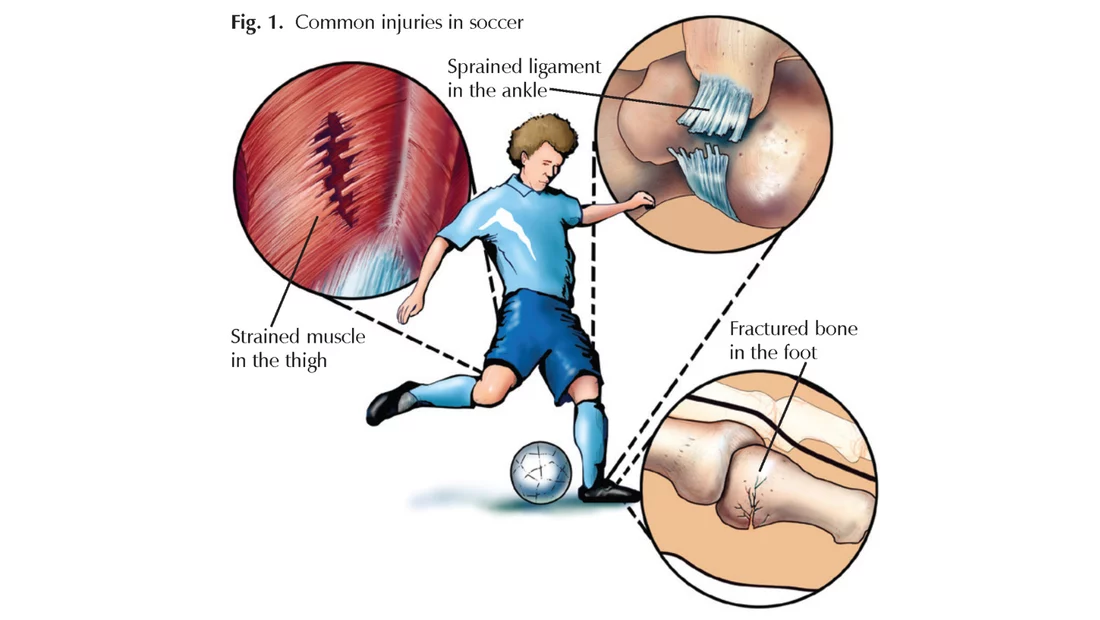
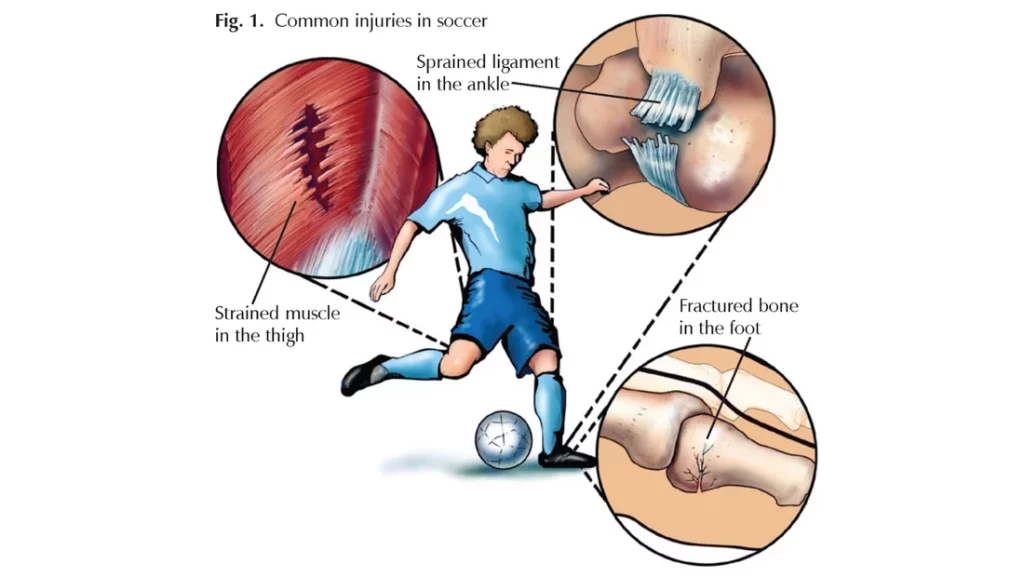
    Football player injuries are a common occurrence in the sport, and they can have a significant impact on a player’s career and overall well-being. Injuries can range from minor sprains and strains to more serious conditions such as concussions, broken bones, and torn ligaments. As a result, it is essential for players, coaches, and medical professionals to take a proactive approach to preventing and treating football player injuries.

    One of the most critical aspects of preventing football player injuries is ensuring that players are properly trained and conditioned. This includes engaging in regular exercise and strength training to build muscle and improve flexibility. Additionally, players should be taught proper techniques for tackling, falling, and landing to reduce the risk of injury. Coaches and trainers should also emphasize the importance of warm-up routines and stretching exercises to help prevent muscle strains and other injuries.

    Furthermore, football player injuries can be caused by a variety of factors, including poor playing conditions, inadequate equipment, and excessive playing time. For example, playing on a field with poor turf or inadequate lighting can increase the risk of injury. Similarly, wearing inadequate or poorly fitting equipment, such as helmets or shin guards, can also increase the risk of injury. Excessive playing time, particularly in young players, can lead to overuse injuries such as shin splints and tendonitis. To learn more about the latest developments in football, you can check out the Premier League news and stay updated on the latest trends and strategies.

    Understanding Football Player Injuries

    Preventing Common Soccer Injuries: Physio Labs Expert Tips for Injury
    Preventing Common Soccer Injuries: Physio Labs Expert Tips for Injury

    Football player injuries can be categorized into two main types: acute and chronic. Acute injuries are those that occur suddenly, such as a broken bone or a concussion, while chronic injuries are those that develop over time, such as tendonitis or shin splints. Understanding the causes and symptoms of these injuries is crucial for providing effective treatment and prevention. For instance, if you’re interested in learning more about European Football Championships, you can find valuable insights and strategies that can help you better understand the game and its demands.

    Common Football Player Injuries

    Some of the most common football player injuries include:

    • Concussions: These are caused by a blow to the head or body that can cause the brain to move back and forth inside the skull, leading to a range of symptoms including headaches, dizziness, and confusion.
    • Knee injuries: These can include torn ligaments, broken bones, and cartilage damage, and can be caused by a variety of factors including poor tackling techniques and overuse.
    • Hamstring strains: These are common in football players and can be caused by a variety of factors including poor warm-up routines, inadequate stretching, and overuse.
    • Shin splints: These are caused by inflammation of the muscles and tendons in the lower leg and can be caused by a variety of factors including overuse, poor foot biomechanics, and inadequate equipment.

    To prevent these types of injuries, it’s essential to focus on football training drills that improve flexibility, strength, and agility. Additionally, learning about football tactics and strategies can help players and coaches develop a more informed approach to the game, reducing the risk of injury and improving overall performance.

    Preventing Football Player Injuries

    Sports Safety | Sports Injury Prevention | Syracuse Orthopedic Specialists
    Sports Safety | Sports Injury Prevention | Syracuse Orthopedic Specialists

    Preventing football player injuries requires a multi-faceted approach that includes proper training and conditioning, adequate equipment, and safe playing conditions. Coaches and trainers should emphasize the importance of warm-up routines and stretching exercises to help prevent muscle strains and other injuries. Players should also be taught proper techniques for tackling, falling, and landing to reduce the risk of injury. Furthermore, players should be encouraged to report any injuries or discomfort to their coaches or medical professionals, and should be provided with access to proper medical care and treatment.

    Tips for Preventing Football Player Injuries

    Some tips for preventing football player injuries include:

    • Engage in regular exercise and strength training to build muscle and improve flexibility.
    • Warm up properly before playing or practicing, including stretching exercises and light cardio.
    • Wear adequate and properly fitting equipment, including helmets, shin guards, and mouthguards.
    • Play on safe and well-maintained fields, including proper turf and lighting.
    • Report any injuries or discomfort to coaches or medical professionals and seek proper medical care and treatment.

    For young players, it’s essential to focus on youth football development programs that prioritize safety, skill-building, and fun. By taking a comprehensive approach to player development, we can help reduce the risk of injury and promote a lifelong love of the game.

    In conclusion, football player injuries are a common occurrence in the sport, but they can be prevented and treated with proper training, conditioning, and medical care. By understanding the causes and symptoms of common football player injuries, and by taking a proactive approach to prevention and treatment, players, coaches, and medical professionals can help reduce the risk of injury and promote a safer and more enjoyable game. Whether you’re a seasoned pro or just starting out, it’s essential to stay informed about the latest developments in football, including English football clubs and their approaches to player development and injury prevention. By working together, we can create a safer, more supportive, and more successful football community for all.

  • European Football Championships: The Ultimate Guide

    European Football Championships: The Ultimate Guide

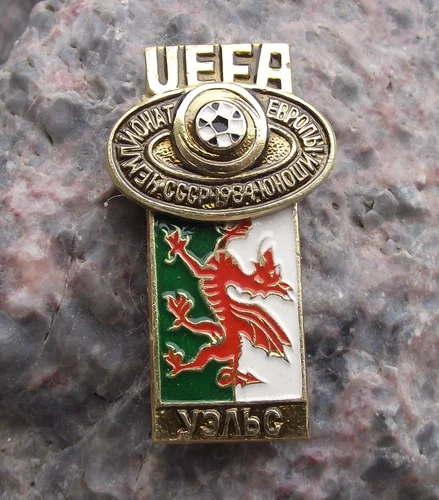
    The European football championships, also known as the UEFA European Championship, is a prestigious international football tournament held every four years. The tournament has a rich history, dating back to 1960, and has been a platform for the best European football teams to compete and showcase their skills. The European football championships have become a highly anticipated event, with millions of fans around the world tuning in to watch the games. In this article, we will delve into the world of European football championships, exploring its history, format, and significance.

    The European football championships have undergone significant changes over the years. The tournament was initially called the European Nations’ Cup, and the first edition was held in France in 1960. The tournament was a huge success, with the Soviet Union emerging as the winner. Since then, the tournament has grown in popularity, and the format has been modified to include more teams and a more complex qualifying process. Today, the European football championships feature 24 teams, competing in a group stage followed by a knockout phase.

    The European football championships have also become a platform for teams to showcase their unique playing styles and strategies. Teams like Spain, Germany, and Italy have been known for their possession-based football, while teams like England and France have been known for their quick counter-attacks. The tournament has also seen the rise of smaller teams, like Greece and Denmark, who have caused major upsets by winning the tournament against all odds. To learn more about the tactics and strategies employed by teams in the European football championships, you can visit our article on Football Tactics and Strategies: The Key to Success on the Pitch.

    European Football Championships: A History of Greatness

    UEFA EURO WINNERS
    UEFA EURO WINNERS

    The European football championships have a rich history, with many memorable moments and matches. The tournament has been won by some of the greatest teams in European football history, including Spain, Germany, and Italy. The tournament has also seen the emergence of new teams, like Portugal and France, who have become major forces in European football. The European football championships have also been a platform for individual players to shine, with players like Cristiano Ronaldo, Zlatan Ibrahimovic, and Andres Iniesta leaving their mark on the tournament.

    Key Moments in European Football Championships History

    There have been many key moments in the history of the European football championships. One of the most memorable moments was the 2004 final, where Greece defeated Portugal 1-0 to win the tournament. This was a major upset, as Greece was considered a huge underdog going into the tournament. Another memorable moment was the 2012 final, where Spain defeated Italy 4-0 to win the tournament. This was a dominant performance by Spain, who were considered one of the greatest teams in European football history.

    The European football championships have also been a platform for youth development. Many young players have made their debut in the tournament, and have gone on to become stars in European football. To learn more about youth football development, you can visit our article on Youth Football Development: A Comprehensive Approach. The tournament has also seen the rise of English football clubs, who have become major forces in European football. To learn more about English football clubs, you can visit our article on English Football Clubs.

    The European football championships have become a major event in the football calendar, with millions of fans around the world tuning in to watch the games. The tournament has also become a platform for teams to showcase their skills, and for individual players to shine. The European football championships have a rich history, and have been a platform for many memorable moments and matches. Whether you are a fan of European football or just a casual observer, the European football championships are a must-watch event.

    European Football Championships: The Road to Success

    1984 UEFA European Football Championships Wales Welsh Team Soccer Pin
    1984 UEFA European Football Championships Wales Welsh Team Soccer Pin

    The European football championships are a highly competitive tournament, with many teams vying for the top prize. The tournament features a group stage, where teams are divided into groups of four, and the top two teams from each group advance to the knockout phase. The knockout phase features a series of matches, with the winners advancing to the next round, until the final. The European football championships require a high level of skill, strategy, and physical fitness, and teams must be well-prepared to succeed.

    Tips for Success in the European Football Championships

    There are several tips for success in the European football championships. One of the most important is to have a strong team defense, as this can help to prevent opponents from scoring. Another key tip is to have a good balance between attack and defense, as this can help to create scoring opportunities while also preventing opponents from scoring. Teams must also be well-prepared physically, as the tournament requires a high level of fitness and endurance. To learn more about football training drills, you can visit our article on Football Training Drills.

    The European football championships are a major event in the football calendar, and have become a platform for teams to showcase their skills and for individual players to shine. The tournament has a rich history, and has been a platform for many memorable moments and matches. Whether you are a fan of European football or just a casual observer, the European football championships are a must-watch event. For the latest news and updates on the European football championships, you can visit our article on Premier League news: The Latest Updates and Developments.

    As the European football championships continue to grow in popularity, it is clear that this tournament will remain a major event in the football calendar for years to come. With its rich history, competitive format, and platform for showcasing skills, the European football championships are a must-watch event for any football fan. So, whether you are a seasoned fan or just a casual observer, be sure to tune in to the next European football championships to experience the excitement and drama of this premier international football tournament.

  • Football Tactics and Strategies: The Key to Success on the Pitch

    Football Tactics and Strategies: The Key to Success on the Pitch

    Football tactics and strategies are the backbone of the beautiful game, allowing teams to outmaneuver their opponents and gain a competitive edge. The world of football is constantly evolving, with new tactics and strategies emerging every season. From the traditional 4-4-2 formation to the more modern 3-5-2, teams are always looking for ways to improve their performance on the pitch. In this article, we’ll delve into the world of football tactics and strategies, exploring the different approaches teams take to outmaneuver their opponents.

    The art of football tactics and strategies is a complex one, requiring a deep understanding of the game and its intricacies. Coaches and managers spend countless hours analyzing their opponents, identifying strengths and weaknesses, and developing strategies to exploit them. Whether it’s through clever use of formations, clever player positioning, or innovative set pieces, the key to success lies in outsmarting the opposition. As we explore the world of football tactics and strategies, we’ll examine some of the most effective approaches teams have used to gain an edge over their opponents.

    One of the most critical aspects of football tactics and strategies is understanding the different formations and how they can be used to outmaneuver opponents. From the traditional 4-4-2 to the more modern 3-5-2, each formation has its strengths and weaknesses, and teams must carefully consider their options when selecting a formation. For example, a team with a strong defense may opt for a more defensive formation, such as the 4-4-2, while a team with a strong attack may opt for a more attacking formation, such as the 3-5-2. By understanding the strengths and weaknesses of each formation, teams can develop effective strategies to outmaneuver their opponents.

    Understanding Football Tactics and Strategies

    Football scheme for play soccer, tactic and strategy for team. Soccer
    Football scheme for play soccer, tactic and strategy for team. Soccer

    To truly appreciate the art of football tactics and strategies, it’s essential to understand the different components that make up a team’s approach. This includes everything from formations and player positioning to set pieces and defensive strategies. By examining each of these components in detail, we can gain a deeper understanding of how teams develop and implement their tactics and strategies. For instance, if you’re looking to develop the next generation of football stars, you may want to check out Youth Football Development: A Comprehensive Approach, which provides valuable insights into the world of youth football development.

    Formations and Player Positioning

    Formations and player positioning are critical components of football tactics and strategies. The formation a team chooses can greatly impact their performance on the pitch, as it determines how players are positioned and how they interact with each other. For example, a team that opts for a 4-4-2 formation may find that they have a strong defense, but struggle to create scoring opportunities. On the other hand, a team that opts for a 3-5-2 formation may find that they have a strong attack, but struggle to defend against counter-attacks. By carefully considering their formation and player positioning, teams can develop effective strategies to outmaneuver their opponents.

    Set Pieces and Defensive Strategies

    Set pieces and defensive strategies are also critical components of football tactics and strategies. Set pieces, such as corners and free kicks, can provide teams with valuable scoring opportunities, while defensive strategies, such as parking the bus, can help teams to defend against their opponents. By developing effective set pieces and defensive strategies, teams can gain a competitive edge over their opponents. For example, a team that excels at set pieces may find that they can create scoring opportunities that their opponents can’t defend against. Similarly, a team that has a strong defensive strategy may find that they can defend against their opponents’ attacks and catch them off guard on the counter-attack.

    Developing Effective Football Tactics and Strategies

    Football scheme for play soccer, tactic and strategy for team. Soccer
    Football scheme for play soccer, tactic and strategy for team. Soccer

    Developing effective football tactics and strategies requires a deep understanding of the game and its intricacies. Coaches and managers must carefully analyze their opponents, identifying strengths and weaknesses, and develop strategies to exploit them. This may involve developing new formations, creating innovative set pieces, or implementing defensive strategies that can help to neutralize the opposition’s attack. By staying one step ahead of their opponents, teams can gain a competitive edge and achieve success on the pitch. If you’re interested in learning more about the different football clubs and their approaches to the game, you may want to check out English Football Clubs, which provides valuable insights into the world of English football.

    As we explore the world of football tactics and strategies, it’s clear that there’s no one-size-fits-all approach. Each team must develop their own unique approach, taking into account their strengths and weaknesses, as well as those of their opponents. By staying flexible and adapting to different situations, teams can develop effective tactics and strategies that help them to achieve success on the pitch. Whether it’s through clever use of formations, innovative set pieces, or defensive strategies, the key to success lies in outsmarting the opposition. If you’re looking to improve your team’s performance on the pitch, you may want to check out Football training drills, which provides valuable insights into the world of football training.

    In conclusion, football tactics and strategies are a critical component of the beautiful game, allowing teams to outmaneuver their opponents and gain a competitive edge. By understanding the different formations, set pieces, and defensive strategies, teams can develop effective approaches to the game that help them to achieve success on the pitch. Whether you’re a seasoned coach or a newcomer to the world of football, there’s always something new to learn and discover. So why not stay up-to-date with the latest Premier League news and developments, and see how the top teams are using football tactics and strategies to outmaneuver their opponents.

  • Youth Football Development: A Comprehensive Approach

    Youth football development is a crucial aspect of the sport, as it lays the foundation for future generations of players. The process of developing young football players requires a comprehensive approach, encompassing technical, tactical, physical, and psychological aspects. By focusing on youth football development, clubs and organizations can create a strong foundation for their teams, ensuring a steady supply of talented players in the years to come. For instance, many English football clubs have invested heavily in their youth academies, providing young players with top-notch training facilities and coaching. You can learn more about these clubs by visiting our article on English Football Clubs.

    The development of young football players is a complex process, requiring careful planning, execution, and monitoring. It involves creating an environment that fosters growth, learning, and improvement, while also ensuring the well-being and safety of the players. Coaches and trainers play a vital role in this process, as they are responsible for designing and implementing training programs that cater to the needs of young players. These programs should include a mix of technical drills, tactical exercises, and physical conditioning activities, all of which are essential for youth football development. Additionally, football training drills can be an effective way to improve the skills of young players, and can be tailored to meet the specific needs of each individual.

    As young players progress through the ranks, they will encounter various challenges and obstacles that can impact their development. Injuries, setbacks, and disappointments are all part of the learning process, and it is essential for coaches and trainers to provide guidance and support during these times. By doing so, they can help young players develop the resilience and mental toughness needed to overcome adversity and achieve their goals. Moreover, staying up-to-date with the latest Premier League news can provide valuable insights into the latest trends and developments in youth football development.

    Youth Football Development: A Comprehensive Approach

    Youth football development is a multifaceted process that requires a comprehensive approach. It involves creating an environment that fosters growth, learning, and improvement, while also ensuring the well-being and safety of the players. This approach should encompass technical, tactical, physical, and psychological aspects, all of which are essential for the development of young football players. By adopting a comprehensive approach to youth football development, clubs and organizations can create a strong foundation for their teams, ensuring a steady supply of talented players in the years to come.

    Technical Development

    Technical development is a critical aspect of youth football development. It involves teaching young players the fundamental skills of the game, such as dribbling, passing, shooting, and ball control. Coaches and trainers should design training programs that focus on developing these skills, using a variety of drills and exercises to help players improve their technique. For example, football training drills can be an effective way to improve the technical skills of young players.

    Tactical Development

    Tactical development is another essential aspect of youth football development. It involves teaching young players the tactical aspects of the game, such as formations, strategies, and teamwork. Coaches and trainers should design training programs that focus on developing these skills, using a variety of exercises and games to help players improve their understanding of the game. By developing the tactical skills of young players, coaches and trainers can help them make better decisions on the pitch, leading to improved performance and results.

    Physical Development

    Physical development is also a critical aspect of youth football development. It involves teaching young players the physical skills needed to play the game, such as speed, agility, strength, and endurance. Coaches and trainers should design training programs that focus on developing these skills, using a variety of exercises and activities to help players improve their physical fitness. By developing the physical skills of young players, coaches and trainers can help them perform at their best, reducing the risk of injury and improving their overall well-being.

    As the world of football continues to evolve, it is essential for clubs and organizations to prioritize youth football development. By investing in the development of young players, clubs can create a strong foundation for their teams, ensuring a steady supply of talented players in the years to come. Whether you’re a coach, trainer, or simply a fan of the beautiful game, it’s essential to recognize the importance of youth football development in shaping the future of the sport. And, who knows, maybe one day you’ll be watching a young player you’ve been following since their early days in the youth academy, now playing for a top-tier team, and thinking back to the days when you first hello world of football.

    In conclusion, youth football development is a vital aspect of the sport, requiring a comprehensive approach that encompasses technical, tactical, physical, and psychological aspects. By prioritizing youth football development, clubs and organizations can create a strong foundation for their teams, ensuring a steady supply of talented players in the years to come. With the right approach, young players can develop the skills, knowledge, and experience needed to succeed at the highest level, and the sport as a whole can continue to thrive and grow.

  • English Football Clubs

    English Football Clubs

    English football clubs have a rich history and a massive following, both domestically and internationally. The popularity of English football is undeniable, with the Premier League being one of the most watched and competitive leagues in the world. The country is home to some of the most iconic and successful football clubs, with a legacy that spans over a century. From the likes of Manchester United and Liverpool to Arsenal and Chelsea, English football clubs have consistently produced talented teams and players that have made their mark on the sport.

    The English football league system is a complex and hierarchical structure, with multiple divisions and tiers that provide a platform for clubs to compete and progress. The top tier, the Premier League, is the most prestigious and highly competitive, with 20 teams battling it out for the title and European qualification. The lower divisions, such as the Championship, League One, and League Two, provide a pathway for smaller clubs to rise through the ranks and potentially reach the top flight. This system has allowed English football clubs to develop a strong and sustainable infrastructure, with a focus on youth development, scouting, and coaching.

    One of the key factors that contribute to the success of English football clubs is their strong fan base and community support. The passion and dedication of English football fans are renowned, with many clubs having a loyal and dedicated following that spans generations. The atmosphere at English football stadiums is electric, with fans creating a lively and intimidating environment that can give their team an edge over their opponents. This sense of community and belonging is a vital part of the English football culture, with many fans feeling a deep connection to their local club and the sport as a whole. For those looking to improve their skills, checking out football training drills can be a great way to enhance their performance and contribute to their team’s success.

    History of English Football Clubs

    History of English Football Clubs, Vol. 1 | Behance :: Behance
    History of English Football Clubs, Vol. 1 | Behance :: Behance

    The history of English football clubs is a long and storied one, with many clubs having been founded in the late 19th and early 20th centuries. The Football League, which is now known as the English Football League (EFL), was established in 1888 and initially consisted of 12 teams from the Midlands and the North of England. Over the years, the league has expanded and contracted, with new teams being added and others folding or merging with other clubs. Today, there are over 140 English football clubs that compete in the various divisions and tiers of the English football league system.

    Early Years of English Football

    The early years of English football were marked by a lack of organization and standardization, with many clubs playing friendly matches and tournaments. However, as the sport gained popularity, the need for a more structured and competitive format became apparent. The introduction of the Football League in 1888 provided a framework for clubs to compete against each other, and the sport began to take on a more professional and organized form. The early years of English football were also marked by the emergence of iconic clubs such as Aston Villa, Blackburn Rovers, and Sheffield United, which would go on to become household names in the world of football.

    The success of English football clubs can also be attributed to their ability to attract and develop talented players. Many English clubs have a strong focus on youth development, with academies and training programs that aim to identify and nurture young talent. This approach has allowed English clubs to produce some of the world’s top players, including the likes of David Beckham, Steven Gerrard, and Wayne Rooney. The English football league system also provides a platform for players to develop and improve, with many players starting their careers in the lower divisions before working their way up to the top flight.

    English Football Clubs in the Modern Era

    English Premier League Soccer
    English Premier League Soccer

    In recent years, English football clubs have continued to thrive and evolve, with many teams experiencing significant success both domestically and in European competitions. The Premier League has become one of the most watched and competitive leagues in the world, with many of the world’s top players and managers plying their trade in England. The league has also become a major driver of revenue and investment, with many clubs benefiting from lucrative television deals and sponsorship agreements. For the latest Premier League news, fans can stay up to date with the latest developments and updates from the world of English football.

    The modern era of English football has also seen significant advances in technology, sports science, and analytics. Many English clubs have invested heavily in these areas, using data and statistical analysis to gain a competitive edge over their opponents. The use of video assistant referees (VARs) has also become more widespread, with many clubs and fans embracing the technology as a way to improve the accuracy and fairness of refereeing decisions. As the sport continues to evolve, it will be interesting to see how English football clubs adapt and respond to new challenges and opportunities.

    The Role of English Football Clubs in the Community

    English football clubs play a vital role in their local communities, with many teams having a strong sense of social responsibility and a commitment to giving back. Many clubs have established charitable foundations and community programs, which provide support and resources for local schools, hospitals, and other organizations. The clubs also provide a sense of identity and belonging for their fans, with many supporters feeling a deep connection to their local team and the sport as a whole. As a welcome to the world of football, you can start by saying hello world and embark on a journey to explore the beautiful game.

    In conclusion, English football clubs are a beloved and integral part of the country’s sporting culture, with a rich history, a strong sense of community, and a commitment to developing talented players. As the sport continues to evolve and grow, it will be exciting to see how English football clubs adapt and respond to new challenges and opportunities. With their passionate fans, iconic stadiums, and talented teams, English football clubs are sure to remain a major force in the world of football for years to come.

  • Football training drills

    Football training drills

    When it comes to improving your skills on the football field, there’s no substitute for dedicated practice and training. Premier League news often highlights the importance of rigorous training sessions for professional footballers. One of the most effective ways to enhance your game is through Football training drills, which are designed to target specific aspects of your performance, such as speed, agility, ball control, and teamwork. By incorporating these drills into your training routine, you can significantly improve your overall football skills and become a more valuable player on your team.

    The beauty of Football training drills lies in their versatility and adaptability. Whether you’re a beginner or an experienced player, there are drills that can help you address your weaknesses and build on your strengths. For instance, if you’re struggling with your dribbling skills, you can focus on drills that involve navigating through cones or around other players. Similarly, if you want to improve your shooting accuracy, you can practice drills that involve taking shots from different distances and angles. The key is to identify areas where you need improvement and then tailor your training sessions to address those specific needs.

    As you delve deeper into the world of Football training drills, you’ll discover a wide range of exercises that cater to different aspects of the game. From passing drills that enhance your ability to distribute the ball effectively to defensive drills that teach you how to anticipate and respond to opponents’ moves, the options are endless. Moreover, many of these drills can be modified to suit the needs of individual players or teams, making them an invaluable resource for coaches and trainers. By incorporating Football training drills into your practice sessions, you can create a more engaging, challenging, and rewarding experience for yourself and your teammates.

    Benefits of Football Training Drills

    Pre-season training: First touch drills - Coerver Coaching Soccer
    Pre-season training: First touch drills – Coerver Coaching Soccer

    The benefits of Football training drills are numerous and well-documented. By incorporating these exercises into your training routine, you can experience significant improvements in your overall football skills, including speed, agility, endurance, and teamwork. Moreover, Football training drills can help you develop a stronger sense of discipline and focus, which are essential for success on the football field. Whether you’re playing in a local league or competing at the professional level, Football training drills can help you achieve your goals and reach your full potential as a player.

    Improved Speed and Agility

    One of the primary benefits of Football training drills is the improvement in speed and agility. Drills such as sprints, shuttle runs, and cone drills can help you develop the quickness and agility needed to outmaneuver opponents on the field. By incorporating these exercises into your training routine, you can enhance your ability to change direction quickly, accelerate rapidly, and maintain a high level of speed over a prolonged period.

    Enhanced Ball Control

    Another significant benefit of Football training drills is the improvement in ball control. Drills such as dribbling through cones, around other players, or in tight spaces can help you develop the skills needed to maintain possession of the ball in a variety of situations. By practicing these exercises, you can enhance your ability to control the ball with different parts of your foot, use your body to shield the ball from opponents, and make precise passes to your teammates.

    Increased Endurance

    Football training drills can also help you develop the endurance needed to compete at a high level over a prolonged period. Drills such as long-distance runs, hill sprints, and pro agility shuttle runs can help you build the cardiovascular fitness and muscular endurance required to maintain a high level of intensity throughout a match. By incorporating these exercises into your training routine, you can enhance your ability to recover quickly between bursts of activity, maintain a high level of speed and agility over a prolonged period, and reduce your risk of injury.

    Types of Football Training Drills

    Throw-in, passing, and scoring drill | Soccer drills, Soccer workouts
    Throw-in, passing, and scoring drill | Soccer drills, Soccer workouts

    There are numerous types of Football training drills that cater to different aspects of the game. From passing drills and shooting drills to defensive drills and conditioning drills, the options are endless. By incorporating a variety of these exercises into your training routine, you can create a well-rounded and engaging practice session that addresses your specific needs and goals.

    Passing Drills

    Passing drills are designed to enhance your ability to distribute the ball effectively to your teammates. These exercises can involve short passes, long passes, or a combination of both, and can be modified to suit the needs of individual players or teams. By practicing passing drills, you can develop the skills needed to maintain possession of the ball, create scoring opportunities, and control the tempo of the game.

    Shooting Drills

    Shooting drills are designed to enhance your ability to score goals. These exercises can involve shooting from different distances and angles, and can be modified to suit the needs of individual players or teams. By practicing shooting drills, you can develop the skills needed to create scoring opportunities, finish chances effectively, and become a more clinical and composed finisher in front of goal.

    Defensive Drills

    Defensive drills are designed to enhance your ability to anticipate and respond to opponents’ moves. These exercises can involve defending against different types of attacks, such as crosses, through balls, or shots, and can be modified to suit the needs of individual players or teams. By practicing defensive drills, you can develop the skills needed to read the game effectively, make decisive tackles, and protect your team’s goal.

    As you continue to explore the world of Football training drills, you’ll discover a wide range of exercises that cater to different aspects of the game. Whether you’re a beginner or an experienced player, these drills can help you improve your skills, develop your strengths, and address your weaknesses. By incorporating Football training drills into your training routine, you can create a more engaging, challenging, and rewarding experience for yourself and your teammates. So why not start exploring the world of Football training drills today and see the difference it can make in your game? You can also check out our blog for more information on football and other sports.

  • Premier League news: The Latest Updates and Developments

    Premier League news: The Latest Updates and Developments

    The world of football is always abuzz with excitement, and one of the most thrilling leagues to follow is the Premier League. With its rich history, talented players, and intense rivalries, it’s no wonder that fans from around the globe tune in to catch the latest Premier League news. From the opening match of the season to the final whistle, the Premier League is a rollercoaster ride of emotions, surprises, and unforgettable moments. Whether you’re a die-hard supporter of a particular team or just a casual fan, staying up-to-date with the latest Premier League news is essential to fully appreciate the beauty and drama of the game.

    As the Premier League continues to evolve and grow, it’s becoming increasingly important for fans to have access to reliable and timely information. With the rise of social media and online news outlets, it’s easier than ever to stay informed about the latest developments in the world of Premier League football. From transfer rumors and injury updates to match previews and post-game analysis, the internet is awash with Premier League news and information. However, with so much noise and speculation out there, it can be challenging to separate fact from fiction and get to the heart of what’s really going on. That’s why it’s crucial to find trusted sources of Premier League news that can provide accurate, insightful, and engaging coverage of the league.

    For fans looking to dive deeper into the world of Premier League football, there are plenty of resources available. From podcasts and blogs to online forums and social media groups, the Premier League community is vibrant and passionate. By connecting with other fans and sharing your thoughts and opinions, you can gain a deeper understanding of the game and stay up-to-date with the latest Premier League news. You can also visit our blog to get more information about the latest news, for example, you can check out our article about Hello world! to get more insight about the world of football.

    Premier League News: The Latest Updates and Developments

    Premier League news live updates: Latest from 14 press conferences
    Premier League news live updates: Latest from 14 press conferences

    The Premier League is a highly competitive and rapidly changing environment, with new developments and updates emerging all the time. From the latest transfer news and rumors to injury updates and team announcements, there’s always something new to report. By staying on top of the latest Premier League news, fans can gain a deeper understanding of the league and its teams, as well as make more informed predictions and decisions. Whether you’re a seasoned pro or just starting out, following the latest Premier League news is an essential part of being a fan.

    Following the Latest Premier League News: Tips and Strategies

    For fans looking to stay up-to-date with the latest Premier League news, there are several tips and strategies to keep in mind. First and foremost, it’s essential to find reliable and trustworthy sources of information. This can include official team websites, reputable news outlets, and social media accounts from players, coaches, and other insiders. By following these sources and staying engaged with the Premier League community, you can get the latest news and updates as they happen. Additionally, consider setting up notifications and alerts to ensure you never miss a beat. With the Premier League season running from August to May, it’s a long and exciting journey, and staying informed is key to fully enjoying the ride.

    Some other tips for following the latest Premier League news include:

    • Setting up a news feed or aggregator to collect and organize the latest updates and stories
    • Following key players, coaches, and teams on social media to get behind-the-scenes insights and updates
    • Participating in online forums and discussions to share your thoughts and opinions with other fans
    • Subscribing to podcasts and newsletters to get in-depth analysis and commentary
    • Attending matches and watching games live to experience the excitement and energy of the Premier League firsthand

    By following these tips and strategies, you can stay on top of the latest Premier League news and developments, and enjoy a more immersive and engaging experience as a fan.

    Premier League News: The Impact of Technology and Social Media

    The rise of technology and social media has had a profound impact on the way we consume and interact with Premier League news. With the internet and social media, fans can now access a vast array of information and resources, from live scores and stats to news articles and video highlights. Social media platforms like Twitter, Instagram, and Facebook have become essential tools for fans, players, and teams, providing a direct and intimate connection to the world of Premier League football. By leveraging these technologies, fans can stay up-to-date with the latest Premier League news, connect with other fans, and share their thoughts and opinions with the world.

    The Future of Premier League News: Trends and Predictions

    As the Premier League continues to evolve and grow, it’s likely that we’ll see new trends and developments emerge in the world of Premier League news. One area to watch is the rise of streaming and online video, which is changing the way we consume and interact with football content. With the growth of platforms like Netflix, Amazon Prime, and DAZN, fans can now access a wide range of Premier League-related content, from live matches and highlights to documentaries and analysis shows. Additionally, the increasing use of data analytics and artificial intelligence is likely to have a significant impact on the way teams and leagues approach player evaluation, strategy, and fan engagement.

    Some other trends and predictions for the future of Premier League news include:

    • The growing importance of social media and online platforms for teams and players to connect with fans and share their stories
    • The increasing use of virtual and augmented reality technologies to enhance the fan experience and provide new insights into the game
    • The rise of esports and competitive gaming as a new and exciting aspect of the Premier League ecosystem
    • The growing focus on sustainability and social responsibility, with teams and leagues prioritizing environmental and community initiatives
    • The continued growth and globalization of the Premier League, with new markets and audiences emerging around the world

    By staying on top of these trends and developments, fans can gain a deeper understanding of the Premier League and its place in the wider world of football.

    As the Premier League continues to thrill and entertain fans around the world, one thing is certain: the latest Premier League news will always be in high demand. Whether you’re a die-hard supporter or just a casual fan, staying up-to-date with the latest developments and updates is essential to fully appreciating the beauty and drama of the game. With the rise of technology and social media, it’s easier than ever to access a vast array of Premier League news and information, from transfer rumors and injury updates to match previews and post-game analysis. So why not join the conversation, share your thoughts and opinions, and experience the excitement and energy of the Premier League for yourself? With the Premier League news, you’ll never miss a beat.